
Dust, Odors & Mold
Dust, Odors & Mold: What’s Really Floating Around Your Home (From the Team That Deals With This Every Day)
Let’s have an honest, down-to-earth conversation about dust — the stuff we’re all constantly wiping off our shelves, vacuuming out of corners, and trying not to notice when guests show up unexpectedly.
We’re Stat Sanitizing, and we help homeowners and businesses tackle odors, mold, and indoor air-quality problems every single day. So if you’ve ever wondered what dust actually is, why your home sometimes smells a little “off,” or how mold seems to pop up out of nowhere, trust us — you’re not alone.
Dust plays a much bigger role in your indoor environment than most people realize. So let’s break it down together in a simple, friendly, real-world way.
So… What Exactly Is Dust?
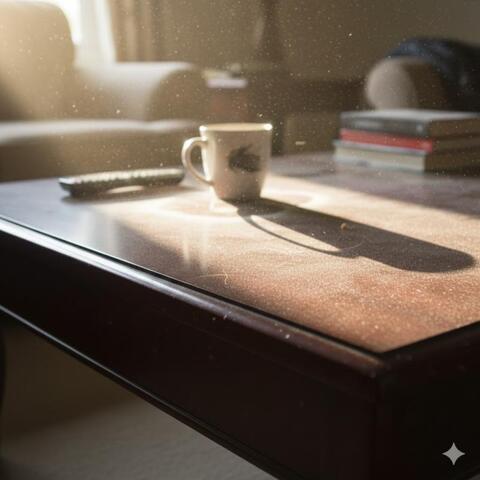
Here’s the truth: dust is not just dirt. It’s a constantly shifting blend of tiny particles that come from your home, your environment, and yes — even you.
In most homes, dust includes:
- Dead skin cells
- Hair and pet dander
- Fabric fibers from clothes, carpets, and furniture
- Dirt and sand tracked in from outdoors
- Pollen and plant debris
- Soot from cooking, candles, or fireplaces
- Microplastics
- Bacteria, mold spores, and dust-mite waste
It’s not glamorous, but it’s real — and it explains a lot about why dust affects the way your home smells, how it feels, and how healthy your indoor air truly is.
Dust forms constantly, floats around your home, settles, gets kicked back up, and starts the cycle all over again. And whether you see it or not, it absolutely plays a role in odors and mold growth.
Why Dust Makes Your Home Smell (Even If You Clean Regularly)
One of the biggest surprises people discover is that dust doesn’t just look dirty — it actually holds onto odors.
Dust acts like a sponge because its particles are porous. That means dust absorbs smell-producing molecules from things like:
- Pets
- Cooking
- Smoke
- Dampness
- Cleaning products and chemicals
Then, over time, it slowly releases those odors back into the air. That’s why even after a deep clean, your home can still smell a little stale or musty.
And here’s something most people don’t know:
Dust can actually create odors, too.
Because dust contains organic material, bacteria and fungi feed on it. As they break it down, they release gases that smell old, musty, or just plain “off.”
And when humidity rises? Dust absorbs that moisture, and the odors become even stronger.
We hear it from clients all the time:
“We cleaned everything, but the smell still comes back.”
That’s dust — doing what dust does.
Dust + Moisture = Mold’s Favorite Snack
This is something we see every day in the field.
Mold needs only three things to grow:
- Moisture
- Darkness
- Food
Dust provides mold with exactly what it wants for #3.
Mold feeds on:
- Skin cells
- Pet dander
- Fibers
- Natural oils
- Organic debris inside dust
On top of that, dust holds moisture — which gives mold the water source it needs to thrive.
Here are some common places we find mold hiding (thanks to dust buildup):
- Behind furniture
- Inside HVAC vents and ductwork
- In carpets and padding
- In basements and crawl spaces
- Behind walls
- In bathrooms and laundry rooms
- Inside air returns and closets
Once mold begins to grow, it releases spores and odors — and those settle right back into the dust around your home.
That’s why mold can feel like a repeating problem. Dust is helping it along.
Why Cleaning Alone Doesn’t Solve Dust-Driven Odors or Mold
We’re all for regular cleaning — it’s important. But no matter how clean your home is, dust never truly stops forming. It’s unavoidable.
And here’s what we find during inspections:
- Dust hides in carpets, upholstery, mattresses, and curtains
- Dust builds up in vents, ductwork, and air-handling systems
- Dust settles in corners and behind furniture we rarely move
- Dust circulates continuously through HVAC systems
- Dust becomes a landing pad for mold spores
So you can vacuum every day and still have lingering odors or recurring mold. It’s not that you’re not cleaning enough — it’s that dust exists in places your vacuum or duster simply can’t reach.
When dust starts affecting how your home smells or feels, it becomes more than a cleaning issue. It becomes an indoor air-quality issue.
And that’s when bringing in professionals makes all the difference.
When Dust Turns Into Odor or Mold, Here’s How We Help
At Stat Sanitizing, we specialize in odor removal, mold remediation, and indoor air-quality restoration across NY, NJ, and CT. If you’re dealing with persistent mustiness, unexplained odors, or mold that keeps returning, here’s how we typically help:
1. We find the true source.
Odors and mold often come from hidden areas — behind walls, inside ducts, under carpet padding, inside crawl spaces, or in basements.
2. We follow certified, science-based protocols.
Our team is certified through organizations like IICRC and NORMI, so every method we use meets professional remediation standards.
3. We eliminate odors — we don’t cover them up.
We never rely on perfumes or ozone gimmicks. We address the contamination causing the odor.
4. We treat mold at the root.
From inspecting moisture sources to fully removing contamination, we make sure the mold is gone — and stays gone.
5. We help restore and maintain healthy indoor air.
That includes moisture control, odor prevention, and long-term air-quality solutions.
Once the underlying contamination is treated, the next step is keeping dust, odors, and spores under control moving forward.
And for that, one tool stands out above the rest.
Meet the Aspen Air Purifier — The Secret to Keeping Air Clean After Remediation
Even after we sanitize and restore a home, dust continues forming every single day. That’s just part of life indoors.
So clients always ask us:
“What’s the best way to keep my air clean moving forward?”
Our favorite answer: The Aspen Air Purifier.
Learn more about the Aspen Air Purifier
We recommend Aspen because it handles exactly the particles that create odor and mold problems in the first place.
Why We Love the Aspen Air Purifier
It uses a three-stage filtration system that actually works:
- A MERV-rated allergy filter for dust, pollen, and dander
- An activated carbon filter for odors and chemicals
- A HEPA-level filter for ultrafine particles, mold spores, and smoke
It cleans up to 1,500 square feet.
Perfect for open layouts, large rooms, and whole-floor filtration.
It’s quiet, energy-efficient, and safe.
No ozone, no ionizers, no UV — just high-quality filtration.
It’s made in the USA.
Built with durability and performance in mind.
An air purifier can’t stop dust from forming, but it can stop dust from circulating, settling, and feeding odors or mold. Aspen excels at that job.
The Best Long-Term Strategy: Professional Remediation + Quality Filtration
Here’s the winning formula we recommend to clients:
Step 1: We eliminate the odors and mold at the source.
That means full remediation, sanitization, air-quality treatment, and restoring a healthy indoor environment.
Step 2: The Aspen Air Purifier keeps the air clean afterward.
It filters new dust, odors, spores, chemicals, allergens, and particles before they can settle or cause problems again.
Together, this gives you:
- Fresher air
- Less dust buildup
- Better allergy relief
- Reduced mold risk
- A healthier, more comfortable home
It’s a long-term, reliable solution — not a temporary fix.
Final Thoughts — From Our Team to Your Home
Dust is more than a cosmetic issue. It’s a carrier of odors, a feeder for mold, and a constant contributor to indoor air pollution. But once you understand how it works, you can take control of it.
And we’re here to help.
If you’re dealing with odors or mold, reach out to us at Stat Sanitizing — we’d be happy to restore your home’s air quality and peace of mind.
And if you want to keep the air fresh after we’ve done our part, the Aspen Air Purifier is a powerful, long-term helper: