
Beating Odors at the Source
Beating Odors at the Source: Why Sodium Percarbonate Works — and Why a Professional Service Matters
Odors are more than just unpleasant. Whether it’s pet smells, smoke damage, musty buildings, agricultural odors, or organic waste, lingering odors usually mean there’s an underlying biological problem that hasn’t been fully addressed.
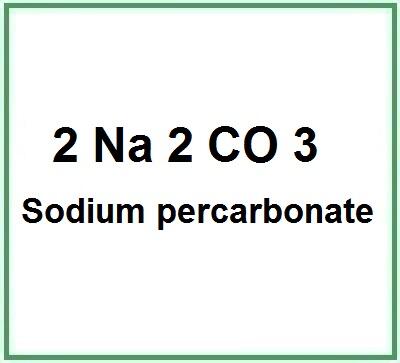
That’s where sodium percarbonate, often called farmers bleach, shines. It doesn’t just cover up smells — it helps break down the source of odors. But while the product itself is powerful, how it’s used matters just as much as what you use. In many situations, the most effective and safest option is to rely on a professional odor remediation service like Stat Sanitizing.
Let’s walk through how sodium percarbonate helps combat odors, why DIY approaches can fall short, and why professional application can make the difference between “smells better for a day” and a space that’s truly refreshed.
Why Odors Are So Hard to Eliminate
Most persistent odors come from organic material such as:
- Pet urine and dander
- Smoke residue
- Mold and mildew
- Food waste
- Agricultural and animal byproducts
- Bacteria growing in porous surfaces
Air fresheners and fragrances only mask smells temporarily. Even strong cleaners can leave odor-causing bacteria behind, allowing smells to return days or weeks later.
True odor elimination requires breaking down the organic compounds that cause the smell — not just covering them up.
How Sodium Percarbonate Tackles Odors
Sodium percarbonate works differently than typical deodorizing sprays. When mixed with water, it releases oxygen, which helps:
- Break down odor-causing organic material
- Disrupt bacteria responsible for smells
- Neutralize odors instead of masking them
Because it’s oxygen-based, sodium percarbonate is especially useful against biological odors like urine, mildew, decay, and smoke residue.
It’s commonly used in spaces like:
- Animal housing and kennels
- Trash rooms and waste areas
- Smoke-damaged buildings
- Water-damaged or musty spaces
The key is that performance depends heavily on proper dilution, contact time, and application method.
The Hidden Risks of DIY Odor Treatment
Sodium percarbonate is generally safer than many harsh chemicals, but improper use can still create problems, including:
- Solutions that are too strong leaving residue or damaging certain surfaces
- Incorrect “fogging” that can irritate lungs or spread moisture
- Inadequate coverage that leaves odor sources untouched
- Mixing errors that reduce effectiveness
Odor molecules often hide in porous materials like drywall, insulation, carpets, wood, and concrete. Treating only what you can see rarely solves the problem completely.
This is where a professional service can save you time, effort, and repeat treatments.
Why Professional Application Makes a Difference
A professional odor remediation company like Stat Sanitizing doesn’t just apply a product — they apply a repeatable process.
Professionals understand:
- How odors behave in different environments
- Where odor sources hide (including hard-to-reach areas)
- Which dilution strengths are effective and safe
- How to apply treatments evenly and thoroughly
They also use commercial-grade equipment that helps treatments reach places household methods can’t.
The Role of Fogging in Odor Control
One of the more effective ways sodium percarbonate can be used for odor control is through controlled cold fogging.
Cold fogging helps a fine mist:
- Reach cracks, crevices, and porous surfaces
- Settle evenly across a room
- Contact odor-causing residues in the air and on surfaces
But fogging must be done correctly. Too strong a solution, the wrong equipment, or fogging an occupied space can lead to irritation or ineffective results. That’s why professional companies like Stat Sanitizing are so valuable — they know when fogging is appropriate and how to do it safely.
Why Stat Sanitizing Is the Smart Choice for Odor Control
Stat Sanitizing specializes in professional sanitizing and odor remediation using proven, practical methods. When sodium percarbonate is used as part of their odor-fighting process, it’s applied:
- At the appropriate concentration for the space
- With the right equipment for even coverage
- In controlled, unoccupied environments when needed
- With ventilation and safety protocols
Instead of guesswork, Stat Sanitizing evaluates each situation and determines:
- Whether sodium percarbonate is the right fit
- How it should be applied for best results
- What level of treatment is needed to stop odors from returning
This approach helps ensure odors are handled at the source, not temporarily covered up.
Learn more about services at Stat Sanitizing.
When Professional Odor Treatment Is Especially Worth It
Smoke and Fire Damage
Smoke particles can embed deeply into walls, ceilings, and furnishings. Professional fogging and surface treatment are often required to fully neutralize odors.
Animal and Agricultural Odors
Barns, kennels, and animal housing can build up layers of organic residue over time. Professionals understand how to treat these environments effectively and safely.
Water Damage and Musty Buildings
Musty smells often indicate trapped moisture or mildew in hidden areas — places that require experience and the right equipment to address.
Commercial and Multi-Unit Spaces
Restaurants, apartments, and commercial buildings need odor solutions that are effective, repeatable, and safe for occupants and staff.
Final Thoughts
Sodium percarbonate can be a powerful tool for odor control — but using it correctly is critical. When odors are widespread, deeply embedded, or recurring, partnering with a professional service like Stat Sanitizing is often the smartest (and safest) move.
Instead of masking smells, professional treatment helps eliminate odors at their source, restoring spaces to a clean, fresh state.
Ready to tackle stubborn odors the right way? Contact Stat Sanitizing to learn more.