
Surface Bloom Mold
 Surface Bloom Mold: Early Warning Signs and NYS-Compliant Remediation Solutions
Surface bloom mold is often the first visible indicator of a moisture issue inside a home or commercial property. While it may initially appear minor, untreated surface mold can spread quickly, compromise indoor air quality, and lead to more serious structural and health concerns.
At Stat Sanitizing, a New York State–licensed mold remediation company, we specialize in addressing mold problems early—before they escalate into costly, invasive issues. Understanding how surface bloom mold forms, how it should be cleaned, and how New York State mold laws apply is essential for protecting your property and staying compliant.
What Is Surface Bloom Mold?
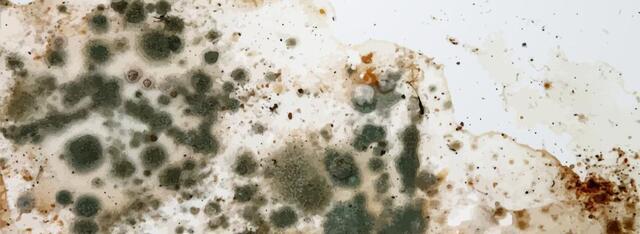
Surface bloom mold refers to mold growth that remains on the exterior layer of a material rather than penetrating deeply into it. At this stage, mold spores have begun colonizing the surface but have not yet embedded themselves into the substrate.
Common Signs of Surface Bloom Mold:
-
White, gray, green, or light black discoloration
-
Powdery or fuzzy surface texture
-
Mild musty odor
-
Mold that wipes away but may reappear
-
Growth limited to painted, sealed, or finished surfaces
Although surface bloom mold is considered an early-stage issue, it should never be ignored. Without proper remediation and moisture control, it can evolve into hidden or deep-set mold growth.
Why Surface Bloom Mold Develops
Mold growth is always moisture-driven. Surface bloom mold typically occurs in environments where moisture is present but not severe enough to immediately saturate building materials.
Common Causes Include:
-
Elevated indoor humidity levels
-
Condensation on walls, ceilings, and windows
-
Poor ventilation
-
Minor plumbing or roof leaks
-
HVAC airflow issues
-
Dust accumulation on surfaces
Even properties that appear clean and well-maintained can develop surface mold if moisture conditions persist.
Where Surface Bloom Mold Is Commonly Found
During inspections, surface bloom mold is most often identified in:
-
Bathrooms and shower areas
-
Basement walls and ceilings
-
Window frames and sills
-
Laundry rooms
-
HVAC vents and returns
-
Closets with limited airflow
-
Behind furniture placed against exterior walls
These areas typically share one common factor: restricted airflow combined with excess moisture.
Is Surface Bloom Mold a Health Concern?
While surface bloom mold is usually less severe than advanced infestations, it can still negatively impact indoor air quality and occupant health.
Potential Health Effects Include:
-
Allergic reactions (sneezing, congestion, itchy eyes)
-
Respiratory irritation
-
Worsening asthma symptoms
-
Headaches or fatigue in sensitive individuals
Children, elderly individuals, and those with respiratory conditions or compromised immune systems may be especially vulnerable—even to early-stage mold growth.
Understanding New York State Mold Laws
New York State has specific licensing requirements designed to protect property owners and occupants during mold remediation projects.
Key NYS Mold Law Requirements:
-
Mold remediation must be performed by a New York State–licensed mold remediation contractor
-
Mold assessment must be conducted by a separate, licensed mold assessor
-
The assessor and the remediation company cannot be the same firm
-
This separation ensures independent evaluation and unbiased remediation planning
These laws are intended to eliminate conflicts of interest and ensure mold issues are properly identified, documented, and remediated.
How Stat Sanitizing Fits Into the Process
Stat Sanitizing is a New York State–licensed mold remediation company that performs remediation in full compliance with NYS regulations.
Our Role Includes:
-
Following the mold remediation protocol created by a licensed NYS mold assessor
-
Establishing proper containment to prevent cross-contamination
-
Using HEPA-filtered equipment to safely remove mold and spores
-
Applying professional-grade antimicrobial treatments
-
Correcting conditions that allow mold to return
-
Providing post-remediation documentation when required
By working alongside an independent licensed mold assessor, we ensure every remediation project is handled legally, ethically, and effectively.
Professional Cleaning Methods for Surface Bloom Mold
HEPA Vacuuming and Controlled Removal
Used to remove surface spores without dispersing them into the air.
Antimicrobial Surface Treatments
Industry-approved solutions are applied to kill mold at the root level and inhibit regrowth.
Non-Abrasive Cleaning Techniques
Gentle methods prevent damage to surfaces while ensuring thorough mold removal.
Drying and Moisture Control
Dehumidification and airflow correction are essential to prevent recurrence.
Important: Bleach is not considered a professional mold remediation solution. It does not penetrate porous materials and can leave behind moisture that promotes future growth.
What Not to Do When Surface Mold Appears
❌ Do not paint or seal over mold
❌ Do not dry-scrub or sand mold growth
❌ Do not rely on bleach as a fix
❌ Do not ignore recurring mold
If mold continues to return, there is likely an unresolved moisture or ventilation issue that requires professional evaluation.
Preventing Surface Bloom Mold Long-Term
Effective remediation goes beyond cleaning—it addresses prevention.
Prevention Strategies We Recommend:
-
Maintaining indoor humidity below 50%
-
Improving ventilation and airflow
-
Promptly repairing leaks
-
Addressing insulation and condensation issues
-
Scheduling professional inspections in high-risk areas
These measures help protect your property and maintain healthy indoor air quality.
When to Contact a Licensed Mold Remediation Company
You should contact a professional if:
-
Mold reappears after cleaning
-
The affected area exceeds 10 square feet
-
Mold follows water damage or flooding
-
A persistent musty odor is present
-
Occupants experience ongoing respiratory symptoms
-
Mold is suspected behind walls or ceilings
Early intervention reduces remediation costs and limits potential health risks.
Schedule Mold Remediation with Stat Sanitizing
Surface bloom mold is an early warning sign—but it’s also an opportunity to address mold before it becomes a major problem.
Stat Sanitizing is a New York State–licensed mold remediation company committed to safe, compliant, and effective mold removal. We work in coordination with independent NYS-licensed mold assessors to ensure every project meets state regulations and industry best practices.
If you’ve identified surface mold in your home or commercial property, contact Stat Sanitizing today to take the next step toward a healthier indoor environment.