

What to Expect When Dealing With Mold in New York State
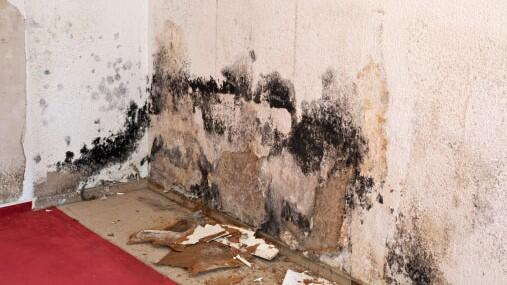 Why You Need Both a Licensed Mold Assessor and a Licensed Mold Remediator
Finding mold in your home has a way of turning a normal day into a stressful one fast. Most homeowners go through the same sequence: you notice staining or a musty smell, you Google it, you start hearing horror stories, and then you’re left wondering who you can actually trust to fix it.
If you live in New York State, there’s one important thing to know right away: mold isn’t treated like a simple “cleanup job” here. New York has licensing laws that govern mold work, and in many situations, doing it correctly means hiring two different licensed professionals.
That’s not just red tape. It’s built into the system to protect homeowners.
New York Mold Law, Explained in Plain English
New York State requires mold professionals to be licensed through the New York State Department of Labor. That includes both assessors and remediators. The main idea is simple: the person who evaluates the mold problem and decides what needs to be done should not be the same person who gets paid to do the work.
That’s why the process is separated into two roles. The Licensed Mold Assessor evaluates and writes the plan. The Licensed Mold Remediator follows that plan and performs the work. Keeping those roles separate helps prevent conflicts of interest and gives homeowners a clearer, more accountable process.
The Licensed Mold Assessor: The One Who Diagnoses the Problem and Writes the Plan
A Licensed Mold Assessor is typically the person you bring in first. Their job is to figure out what’s happening, how far it goes, and what a proper remediation should look like. They’re looking at visible growth, but they’re also thinking about what might be happening behind the scenes: behind drywall, under flooring, inside insulation, or in areas where moisture has been sitting longer than anyone realized.
A good assessor isn’t just looking for mold. They’re looking for moisture. Mold is the symptom. Moisture is the cause. During an assessment, you can expect questions about leaks, humidity, past flooding, plumbing issues, and timelines. They’ll usually use tools like moisture meters to confirm what materials are wet and how widespread the issue is.
Depending on the situation, the assessor may recommend sampling. A lot of homeowners assume testing is always required, but that isn’t necessarily true. In many cases, visible mold and ongoing moisture are enough to justify remediation. Testing can be helpful for documentation, real estate situations, or when mold is suspected but not visible.
What matters most is that the assessor provides something concrete: a written plan (often called a protocol) that spells out what needs to be done, how containment should be handled, what materials need to be removed, and what “done correctly” should look like at the end of the job. That plan keeps everyone on the same page and helps protect homeowners from vague estimates and open-ended demolition.
The Licensed Mold Remediator: The One Who Performs the Work Safely
Once the plan exists, the Licensed Mold Remediator is the professional who carries it out. This is where most homeowners are surprised. Proper remediation can look intense, and that’s because it is. A legitimate remediator doesn’t just wipe down surfaces and call it a day. They build containment, protect the rest of the home, and remove contaminated materials without spreading spores through the house.
If demolition is involved, it should be controlled. The work area should be isolated, and negative air pressure should be used to reduce the chance of airborne particles drifting into unaffected areas. You’ll often see air scrubbers, HEPA vacuums, and careful bagging and disposal practices.
A good remediator should also be clear about what can be cleaned and saved versus what has to be removed. Porous materials like drywall, insulation, and carpet padding often can’t be meaningfully “cleaned” once mold has taken hold. In those cases, removal is usually the responsible solution.
One of the biggest misconceptions we run into is that mold remediation is mostly about chemicals. In reality, the core of remediation is physical removal and detailed cleaning. Antimicrobials can be useful, but they aren’t the main fix. Just as important: remediation only works if the moisture problem is addressed. If the leak, condensation, or humidity issue isn’t corrected, mold can return—even after a “successful” cleanup.
Why NYS Keeps the Assessor Independent
Homeowners sometimes ask why they can’t just hire one company to inspect and remediate. The answer is straightforward: if the same company decides how big the problem is and also gets paid to fix it, there’s an obvious incentive for the scope to grow. New York’s structure is designed to reduce that risk.
The assessor’s job is to stay objective. The remediator’s job is to follow the plan and complete the work safely. When each professional stays in their lane, homeowners typically get fewer surprises and a cleaner process overall.
What a NYS-Compliant Mold Project Usually Looks Like
For most homeowners, the process starts with an assessment. You schedule a Licensed Mold Assessor to inspect the home, identify the moisture source, and document affected areas. From there, you receive a written remediation plan or protocol.
That protocol can then be used to get estimates from Licensed Mold Remediators. The remediator prices the job based on the assessor’s scope and schedules the work. Once the project begins, the remediator sets up containment and filtration, removes and cleans materials according to the protocol, and completes a detailed final cleanup.
After remediation, the assessor may return to perform a post-remediation assessment, sometimes including clearance testing. Only after clearance should rebuilding take place—new drywall, paint, flooring, insulation, and so on. That “clearance before rebuild” step matters. Rebuilding too early can trap moisture or contamination behind brand-new materials.
What Homeowners Should Watch For
Even with licensing requirements, not every contractor follows the process the way they should. If there’s no written protocol, no containment, or no mention of negative air filtration, those are serious concerns. The same goes for anyone who tries to sell fogging as the main solution or who doesn’t care where the moisture is coming from.
The best thing a homeowner can do is slow down and make sure the project has structure. Mold work can be done correctly, but it has to be approached professionally.
Final Thoughts
In New York, mold remediation should feel like a real project—not a quick cleaning service. The Licensed Mold Assessor identifies the problem and writes the plan. The Licensed Mold Remediator carries it out safely and thoroughly. That separation isn’t a hassle; it’s one of the strongest consumer protections NYS has put in place.
At Stat Sanitizing, we believe homeowners deserve clear information and a process they can actually understand. Mold is stressful enough. You shouldn’t have to navigate it blindly.
FAQ: Mold Assessment and Remediation in New York State
Do I really need both a Licensed Mold Assessor and a Licensed Mold Remediator?
In many cases, yes. In New York State, the assessor evaluates the situation and writes the remediation protocol, and the remediator performs the work. That separation is meant to reduce conflicts of interest and gives you a written plan you can use to compare quotes and keep the job accountable.
Can the same company do both the assessment and the remediation?
Typically, no—not on the same project. New York’s approach is designed so the party defining the scope isn’t the same party profiting from the work. There are limited exceptions in the law, but as a homeowner, it’s reasonable to expect independence between the assessor and remediator for most projects.
What’s the difference between a mold inspection and a mold remediation plan?
The inspection is the evaluation: looking for mold conditions, tracking moisture, and documenting affected areas. The remediation plan (or protocol) is the written roadmap that describes how the mold should be addressed, including containment requirements, what materials should be removed, what can be cleaned, and what completion should look like.
Do I need mold testing?
Not always. If mold is visible and there’s moisture damage, remediation can often be justified without lab testing. Testing can still be useful when mold is suspected but hidden, when you need documentation for real estate or disputes, or when you want additional confirmation during clearance.
What does “clearance” mean after mold remediation?
Clearance is the verification step. It’s when the assessor checks that remediation was completed properly and that conditions are acceptable to rebuild. Depending on the project, this can include a visual inspection, moisture verification, and sometimes air sampling.
Can I stay in my home during remediation?
Sometimes, yes, but it depends on the size and location of the work area and the occupants’ sensitivity. Smaller, well-contained projects may allow you to remain at home, while larger projects or jobs involving HVAC systems may be more disruptive. Your assessor and remediator should guide you based on your specific situation.
How long does mold remediation usually take?
Timelines vary, but many residential projects range from a couple of days to a week. Drying time can extend the schedule, especially if building materials are wet. Rushing the process is one of the easiest ways to end up with repeat issues.
Will the mold come back after remediation?
It can if the moisture problem isn’t solved. Remediation removes contamination; moisture control prevents recurrence. If the underlying cause (leak, humidity, condensation, ventilation) isn’t corrected, mold can return.
Is mold remediation covered by homeowners insurance?
Sometimes. Coverage depends on the cause of the moisture event. Sudden, accidental events (like a burst pipe) are more likely to be covered than long-term leaks or humidity issues. If you’re considering a claim, documentation from a Licensed Mold Assessor can be helpful.
What should I look for when hiring a mold remediator in NYS?
Look for licensing, insurance, a willingness to follow an independent protocol, clear containment and filtration practices, and documentation of work performed. If someone is vague about their process or treats remediation like a quick spray-and-wipe job, it’s worth getting another opinion.
Need help figuring out the right next step?
If you’re dealing with mold in New York and you’re not sure how to start (or you want a second set of eyes on a protocol or scope), Stat Sanitizing can help you understand the process and what a compliant remediation should look like.