

The Rise of Biotic Cleaning: Why Prebiotics and Probiotics Are Changing the Way We Clean
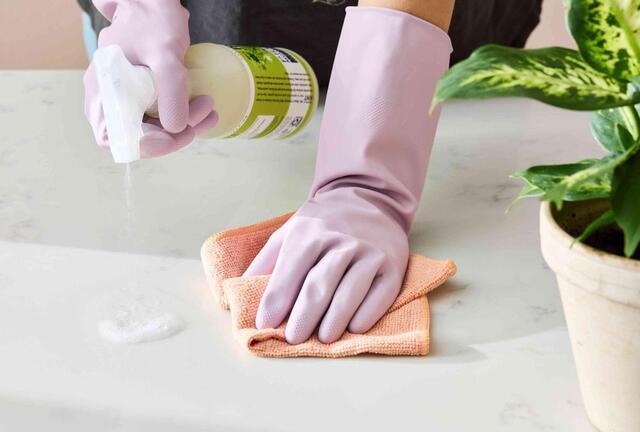
For decades, we’ve been taught that cleaning means one thing: kill everything.
Spray it. Bleach it. Disinfect it. Eliminate every last germ.
But science is starting to challenge that idea in a meaningful way.
We now understand biotics, or life itself, much more deeply than before. And just like in our gut, where balance matters more than total elimination, the same principle is beginning to apply to how we clean our homes, workplaces, and even hospitals.
This shift is giving rise to what’s known as biotic cleaning, where prebiotics and probiotics are not just about digestive health, but about transforming the way we think about cleanliness.
What Does “Biotic” Really Mean?
At its core, biotic simply means living organisms, especially microscopic ones like bacteria.
This matters because not all bacteria are harmful.
Some bacteria cause illness, but others protect us and help maintain balance in the environments we live in. That includes both our bodies and the surfaces around us.
So instead of asking how we can kill all bacteria, a better question is how we can manage bacterial balance.
This is where prebiotics and probiotics come in.
What Are Probiotics in Cleaning?
Most people are familiar with probiotics as beneficial bacteria found in foods or supplements. In cleaning, they serve a similar purpose.
Probiotic cleaners introduce live, beneficial bacteria onto surfaces. These microbes help by outcompeting harmful bacteria and breaking down dirt and organic matter at a microscopic level.
They produce enzymes that digest grime, grease, and residue, making cleaning more effective over time.
One of the biggest advantages is that they continue working even after the initial cleaning is done. Instead of stopping once the surface dries, they remain active and continue to break down contaminants.
The Role of Prebiotics
If probiotics are the beneficial bacteria, prebiotics are what feed them.
Prebiotics are natural substances that support the growth and activity of good bacteria. In cleaning applications, they help maintain a stable and long-lasting microbial environment.
By nourishing beneficial microbes, prebiotics allow probiotic cleaners to remain effective for longer periods.
What Is Synbiotic Cleaning?
As biotic cleaning continues to evolve, a newer concept is beginning to take shape: synbiotic cleaning.
Synbiotic cleaning refers to the combined use of probiotics and prebiotics in one system.
Put simply:
- Probiotics introduce beneficial bacteria
- Prebiotics feed and support those bacteria
When used together, they create a more complete and sustainable cleaning process.
Instead of just adding good bacteria and hoping they survive, synbiotic cleaning ensures those microbes have the nutrients they need to stay active, multiply, and continue working over time.
This leads to several important benefits.
First, it creates longer-lasting cleaning performance. Beneficial bacteria remain active for extended periods instead of fading quickly after application.
Second, it supports a more stable microbial balance. Feeding good bacteria helps them establish a stronger presence, making it more difficult for harmful microbes to return.
Third, it improves the ongoing breakdown of dirt and organic matter. With a steady source of nutrients, these microbes can continue producing enzymes that digest grime well after the initial cleaning.
In many ways, synbiotic cleaning mirrors what happens inside the human body. Just as gut health improves when probiotics and prebiotics work together, surface health benefits from the same partnership.
It represents the next step beyond probiotic-only cleaning, shifting from simply introducing beneficial organisms to actively supporting and sustaining them.
Where Traditional Cleaning Falls Short
Traditional cleaning products are designed to kill microbes on contact. While that is useful in certain situations, it comes with limitations.
These products often eliminate both harmful and beneficial bacteria. Their effectiveness is short-lived, since they stop working once the surface dries. Over time, this approach may also contribute to antimicrobial resistance. In addition, many conventional cleaners rely on harsh chemicals that can affect indoor air quality and the environment.
In short, they create a temporary sense of cleanliness, but not a balanced one.
The Advantage of Probiotic Cleaning
Probiotic cleaning takes a different approach. Instead of trying to create a sterile surface, it supports a balanced microbial environment.
Beneficial bacteria occupy space and resources, making it harder for harmful bacteria to grow. This natural competition helps maintain cleaner surfaces over time.
Probiotics also continue to release enzymes after application, allowing for ongoing breakdown of dirt and organic material. They can even help disrupt biofilms, which are protective layers where harmful bacteria tend to hide.
In some settings, including healthcare environments, probiotic cleaning has been shown to reduce harmful bacteria more effectively over time compared to traditional methods.
From Gut Health to Surface Health
The concept is not new. It is simply being applied in a different context.
Inside the body, prebiotics and probiotics support digestion, strengthen the immune system, and help maintain microbial balance.
On surfaces, they support a healthier environment by reducing harmful bacteria and promoting beneficial ones.
The principle is the same. Balance leads to better outcomes.
A Shift in How We Define Clean
For a long time, cleanliness has been associated with sterility.
But complete sterility is not realistic or necessary in most environments. In some cases, it may even be counterproductive.
What we actually need is balance.
Biotic cleaning reflects this shift in thinking. It recognizes that not all microbes are harmful and that maintaining the right mix of organisms can lead to better, longer-lasting results.
Looking Ahead
Cleaning is evolving from a process of elimination to one of management.
Instead of working against natural systems, we are beginning to work with them.
Probiotics introduce beneficial organisms. Prebiotics help sustain them. Together, they create a more effective and sustainable approach to cleaning.
Clean no longer has to mean lifeless. It can mean balanced, active, and resilient.
Maybe It’s Not About Eliminating Bacteria After All
Not all bacteria are the enemy.
In many cases, they are part of the solution.
For a long time, cleaning has been about removing everything we can’t see. But as our understanding of microbial life evolves, it’s becoming clear that a completely sterile environment isn’t the goal, and in most cases, it never really was.
What matters more is balance.
By embracing prebiotics and probiotics, we begin to shift toward a way of cleaning that works with natural systems instead of against them. It’s a more thoughtful, more sustainable approach that recognizes the role beneficial microbes play in maintaining healthier spaces.
In the end, cleaning isn’t just about what you take away.
It’s also about what you allow to stay.